Knee Arthroscopy
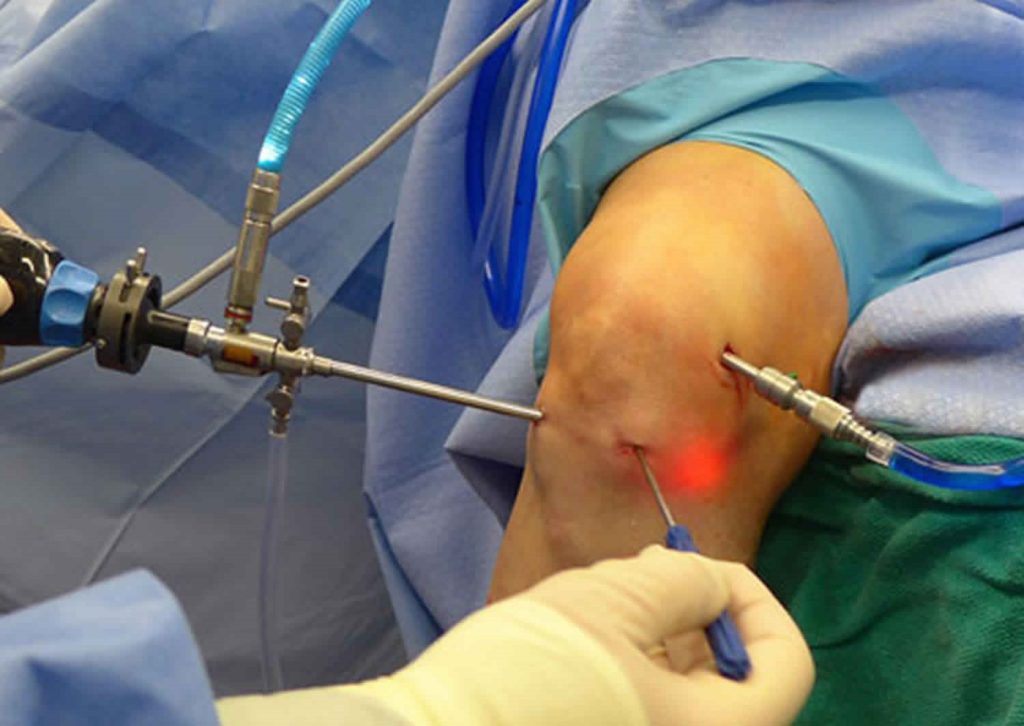
Knee arthroscopy is a minimally invasive surgical procedure performed on the knee joint to diagnose and treat a variety of knee conditions. It uses a small instrument called an arthroscope, which has a camera attached to it.
During knee arthroscopy, the surgeon can examine ligaments, cartilage, tendons, and menisci to identify abnormalities or damage. It can help diagnose torn meniscus, ligament injuries such as ACL or MCL tears, cartilage damage, loose bodies, and inflammation.
If a problem is found, therapeutic procedures can be performed through additional small incisions. Knee arthroscopy usually results in less pain, faster recovery, and smaller scars compared to traditional open knee surgery.
It is important to consult with an orthopedic surgeon to confirm whether knee arthroscopy is the right treatment option for your specific knee condition.
Key Points
- Meniscus repair using sutures or other repair techniques.
- Meniscectomy when damaged meniscus tissue cannot be repaired.
- Ligament reconstruction for tears such as ACL injuries.
- Cartilage repair using microfracture, mosaicplasty, or grafting techniques.
- Synovectomy for excessive inflammation or abnormal synovial tissue.