Are You Struggling with Knee Pain?
If knee pain is interfering with your daily life, it may be time to consider knee replacement surgery. Our team specializes in knee replacement surgery and can provide the relief you need to get back to doing the things you love.
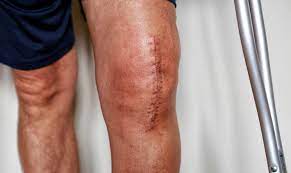
Don't let knee problems hold you back any longer
Schedule a consultation today and take the first step towards a pain-free and active life.
Make an Appointment NowWhy Choose Us For Your Knee Replacement Surgery?
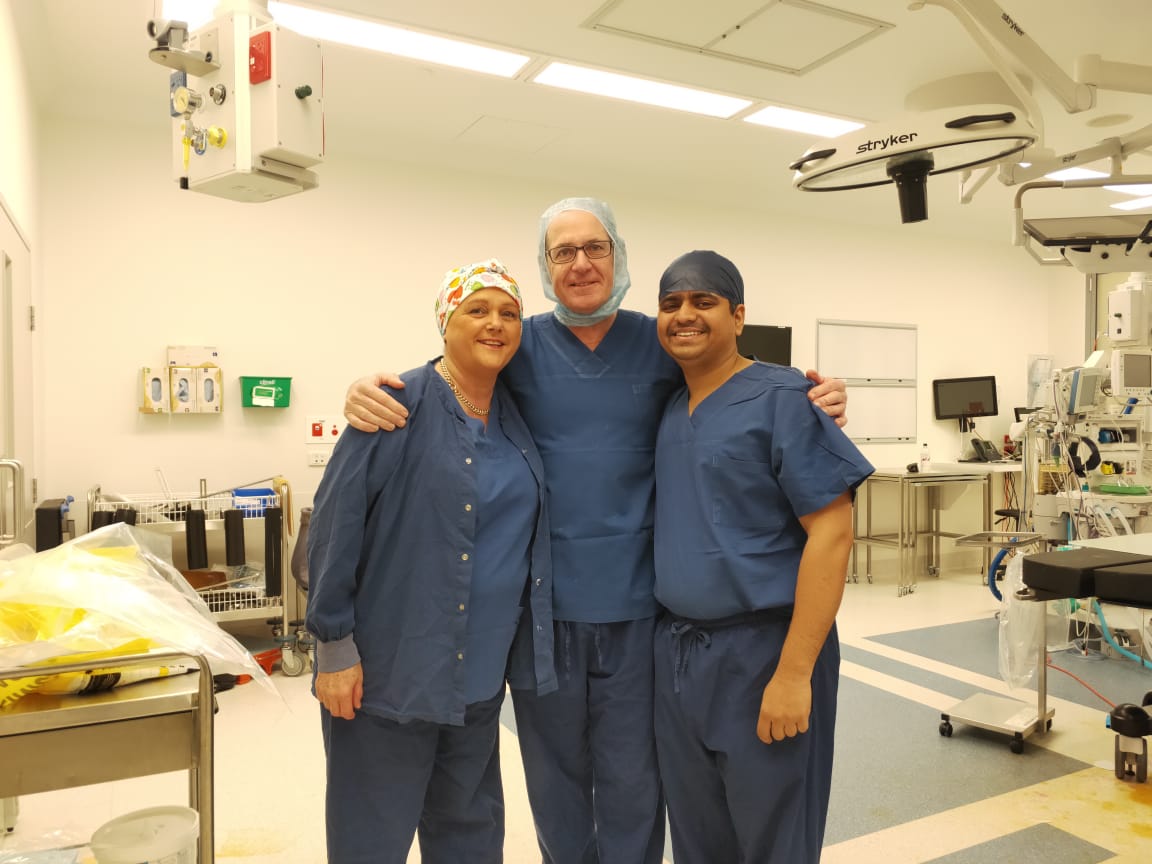
- Experience and expertise in performing the surgery.
- Specialization in knee replacement with CR knee replacement, preserving more bone and ligament.
- High success rate and reduced complications.
- Personalized approach for every patient.
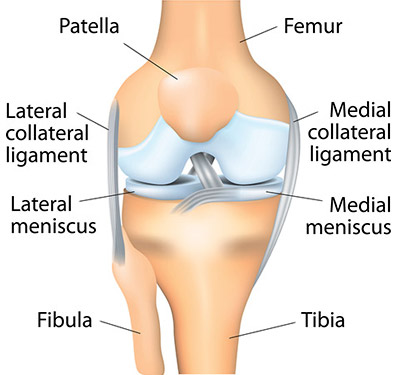
What Is Knee Anatomy
Knee replacement, also known as knee arthroplasty, is a surgical procedure in which a damaged or diseased knee joint is replaced with an artificial prosthesis. The primary goal is to relieve pain, improve mobility, and restore function.
The knee joint is a complex hinge joint that connects the femur to the tibia. Ligaments, tendons, and cartilage provide stability and cushioning, but osteoarthritis, rheumatoid arthritis, or injuries can cause chronic pain and stiffness.
During knee replacement surgery, damaged portions of the knee joint are removed and replaced with artificial components made of metal alloys, high-grade plastics, or ceramics.
Knee replacement can be partial or total depending on the extent of damage. Rehabilitation and physical therapy are usually prescribed after surgery to optimize results.
Benefits of Knee Replacements
- Pain relief: knee replacement significantly reduces chronic knee pain.
- Improved mobility and function with better range of motion and stability.
- Enhanced quality of life and confidence in daily activities.
- Increased independence for routine tasks.
- Modern implants are designed to last 15-20 years.
- Reduced knee pain can improve sleep and psychological well-being.

Live without boundaries: Choose knee replacement.
Schedule a consultation today and take the first step towards a pain-free and active life.
Make an Appointment NowReasons for Knee Replacement Surgery
The most common reason is osteoarthritis, a degenerative joint disease that causes pain, stiffness, and swelling. Other conditions that may require knee replacement include rheumatoid arthritis, post-traumatic arthritis, and knee injuries.

Preparing for Knee Replacement Surgery
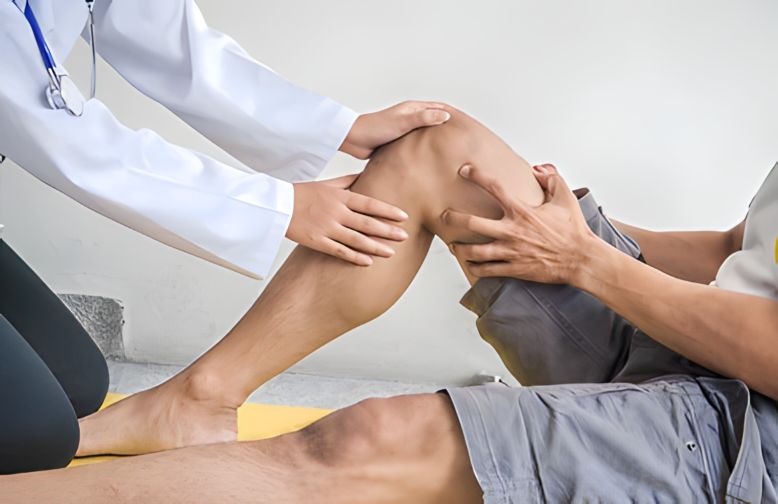
Before surgery, the medical team assesses your history, performs a physical exam, and may order imaging such as X-rays or MRI scans. You may be advised to stop certain medications, lose weight, quit smoking, or make other lifestyle changes to reduce surgical risks.
The Procedure for Knee Replacement Surgery
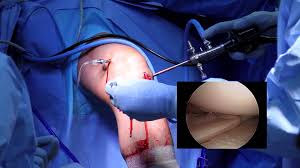
- Anesthesia is administered to keep you comfortable.
- The surgeon makes an incision over the front of the knee to access the joint.
- Damaged portions of the femur and tibia are removed and prepared.
- Metal or ceramic components are placed on the prepared bone surfaces.
- A plastic spacer is placed between components for smooth movement.
- The surgeon checks alignment, stability, and movement before closure.
- Postoperative monitoring, pain control, and rehabilitation begin after surgery.
Recovery After Knee Replacement Surgery
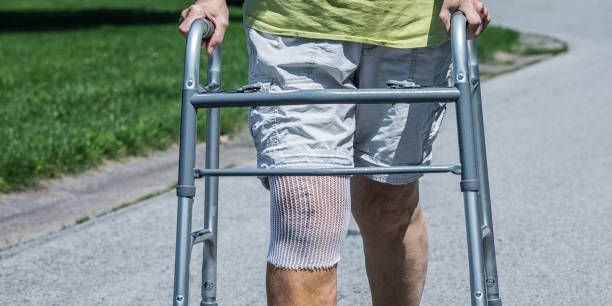
Recovery is gradual and usually combines physical, emotional, and mental factors. The recovery process typically takes about 6-8 months. Physical therapy and rehabilitation exercises help restore strength and range of motion.
Potential Risks and Complications
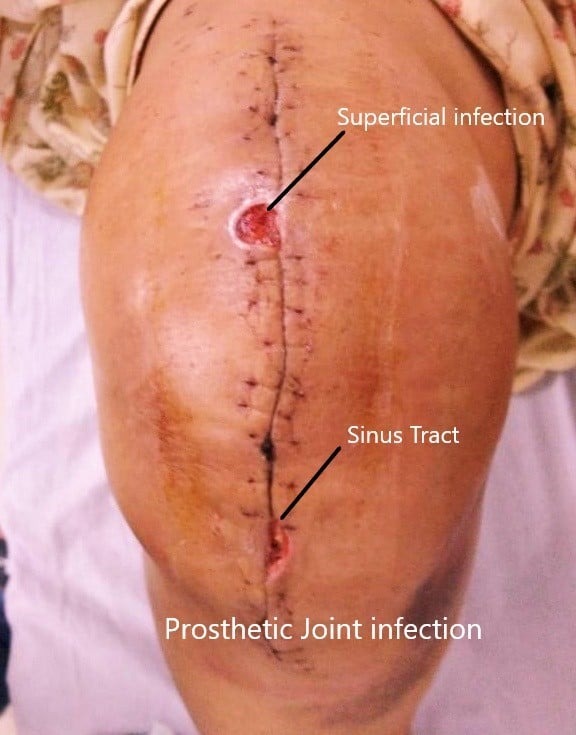
While knee replacement surgery is generally safe and effective, every surgical procedure carries possible risks. These should be discussed with your orthopedic surgeon before surgery.
- Infection or surgical site infection.
- Blood clots requiring medical intervention.
- Implant loosening, wear, or mechanical failure.
- Joint stiffness, pain, or reduced movement.
- Nerve, blood vessel, wound healing, or anesthesia-related complications.